 Frequently Asked Questions
Beginner's Guide to Choosing Body Lubricants: How to Pick Water-Based, Non-Irritating Options
TL;DR
When selecting lubricants, prioritize water-based and non-irritating ingredients, avoid blindly chasing low prices, and purchase from reputable sources. A budget of 50-100 yuan can secure products that balance safety and experience.
Key Takeaways
- 选购人体润滑液时,应优先考虑水溶性、无香精、无色素、无酒精且成分精简的产品,避免盲目追求低价而忽视产品安全性。
- 水溶性润滑液因其易清洗、与乳胶安全套兼容性好等优点,是新手最推荐的选择,而硅基和油性润滑液则需谨慎使用,特别是油性润滑液会破坏乳胶安全套。
- 润滑液不会产生生理依赖,其主要作用是提升舒适度、减少摩擦损伤,但应注意清洗彻底以维护私密卫生。
- 润滑液与延时产品功能不同但可搭配使用,搭配时应选择水溶性润滑液,并注意延时产品的使用剂量和兼容性。
Many beginners often make mistakes when selecting lubricants, such as only looking at the price or ignoring the ingredients. From the perspective of an experienced user, this article will delve into how to choose truly moisturizing, smooth, water-based, and non-irritating lubricants, avoiding common pitfalls like irritation and incompatibility. It also provides practical budget-friendly tips to help you enjoy intimate moments with peace of mind.
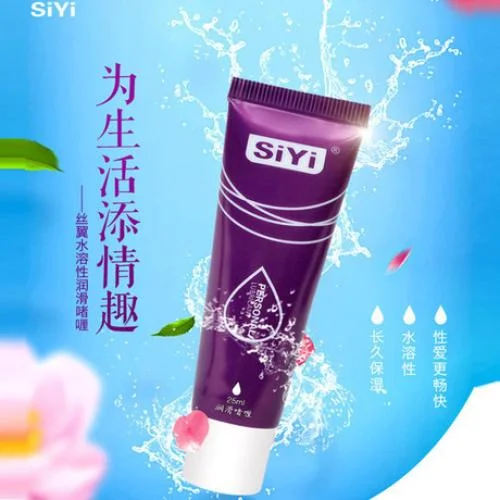
Recently, many friends have asked me how to choose a lubricant, and I've found that beginners often fall into several major pitfalls. Today, let's talk about it, especially regarding products like Body Lubricant, Moisturizing and Smooth, Water-Based, Non-Irritating, for Couples' Intimate Use, and the various options commonly found in our gift series. How exactly should you choose and use them to truly achieve moisturizing smoothness, rather than wasting money and suffering?
First Major Pitfall: Blindly Pursuing Low Prices While Ignoring Ingredients and Safety.
This is the most common mistake beginners make. They often think, "It's just a bottle of water, how different can it be?" As a result, they end up with a product that either feels dry and uncomfortable, causes allergic itching, or even disrupts the intimate environment. Those incredibly cheap options, like a large bottle for ten or twenty bucks, you really need to be cautious. A legitimate lubricant has costs involved from R&D to production, and then to filing and testing. Products that are too cheap are likely to cut corners on ingredients, using industrial glycerin, irritating preservatives, or even unknown additives.
How to Identify and Avoid This?
1. Check the Packaging and Brand: Choose products with clear brand identification, manufacturer details, production date, and expiration date. Products with shoddy packaging and incomplete information should be a direct pass.
2. Read the Ingredient List Carefully: This is the most important step. Prioritize water-soluble products with simple ingredients, such as those primarily containing purified water, glycerin (but not too high a concentration), propylene glycol, butylene glycol, sodium hyaluronate (hyaluronic acid), etc. Avoid products containing alcohol, fragrances, colorants, Paraben preservatives, and petroleum-based ingredients (like mineral oil or petroleum jelly). Many lubricants in gift series, like the Body Lubricant, Moisturizing and Smooth, Water-Based, Non-Irritating, for Couples' Intimate Use we mentioned, often emphasize their water-based, non-irritating properties, which is a noteworthy advantage.
3. Price Expectation: A bottle of body lubricant with good quality and moderate capacity usually costs between 50 and 150 RMB. If the price is significantly lower than this range, be wary. This price bracket can get you decent entry-level or intermediate products, ensuring good experience and safety.
Common Question 1: Is lubricant really necessary? Will using it create a dependency?
Many beginners think using lubricant means "there's something wrong with the body" or that it's "not natural." This is a complete misunderstanding. Lubricant is designed to enhance the experience, reduce friction damage, and make intimate activities more comfortable and pleasurable. Whether it's due to insufficient physiological lubrication, emotional tension, high stress, or simply wanting to try new positions, lubricant can be useful.
Regarding "Dependency": This is also a common misconception. Lubricant is an external aid; it doesn't alter your body's physiological functions, nor will it cause your body to "lose" its ability to secrete. It simply provides assistance when you need extra lubrication. It's like drinking water when you're thirsty – you won't forget how to produce saliva. So, there's absolutely no need to worry about developing a physical dependency.
Usage Tip: Start with a small amount, about the size of a one-yuan coin. Apply it to the areas needing lubrication. If it feels insufficient, gradually add more. Remember to spread it evenly for it to work effectively.
Common Question 2: There are so many lubricants on the market. How do I choose between water-based and oil-based?
Lubricants on the market mainly fall into three categories: water-based, silicone-based, and oil-based. As an experienced user, I strongly recommend beginners prioritize water-based lubricants.
* Water-based Lubricant: This is the most common and most recommended type. Its main ingredient is water, along with some humectants and thickeners. It has many advantages:
* Safe and Non-Irritating: Most water-based formulas are gentle and cause minimal skin irritation.
* Easy to Clean: Easily washes off with water, leaving no sticky residue.
* Good Compatibility: Does not corrode latex products, such as condoms. If you are using latex condoms like Long-lasting Condoms, Delay Type, Buy One Get One Free, water-based lubricant is the only recommended choice. Silicone-based and oil-based lubricants can damage the latex structure, increasing the risk of unintended pregnancy or infection.
* Versatile: Suitable for various intimate activities and can also be used with silicone sex toys.
* Silicone-based Lubricant: The main ingredient is silicone oil. It is characterized by being extremely smooth, long-lasting, and waterproof. However, its drawbacks are also significant:
* Difficult to Clean: Insoluble in water, requiring repeated washing with body wash or soap, often leaving a residual feeling.
* Incompatible with Silicone: Can corrode silicone sex toys, causing deformation or damage.
* Oil-based Lubricant: The main ingredients are vegetable oils (like olive oil, coconut oil) or mineral oil. I personally do not recommend this type for intimate activities, especially when used with condoms.
* Irritation: Some vegetable oils can cause allergies.
* Difficult to Clean: Very greasy and hard to wash off.
* Severely Incompatible with Latex: Can quickly break down the integrity of latex condoms, leading to contraceptive failure or increased risk of STDs. This is a major pitfall – be sure to avoid it!
Summary for Avoiding Pitfalls: Beginners should choose water-based – simple, safe, and worry-free. If you have sensitive skin, be sure to choose a water-based lubricant that is fragrance-free, colorant-free, and has purer ingredients.
Common Question 3: Where does the "irritation" in lubricants come from? How can I tell if it's gentle?
The irritation in lubricants often comes from certain ingredients. The skin and mucous membranes in our intimate areas are very delicate, and the pH value is also quite specific (the female intimate area's pH is usually between 3.8 and 4.5). If the lubricant's ingredients are inappropriate, it can cause discomfort or even inflammation.
Common Irritating Ingredients:
* High Concentration of Glycerin: Although glycerin is a humectant, too high a concentration can cause osmotic imbalance, drawing moisture from the intimate mucous membranes, leading to dryness and irritation.
* Paraben Preservatives: Some studies suggest they may have potential effects on the body. Although the debate is ongoing, sensitive individuals should avoid them.
* Fragrances and Colorants: These are unnecessary additives that can easily cause allergic reactions.
* Alcohol: Can cause dryness and irritation.
* Menthol, Capsaicin, etc.: Some products add these for a "warming" or "cooling" sensation, but often this "sensation" is actually irritation, not true comfort.
How to Determine if it's Gentle?
1. Check the Ingredient List: Prioritize products with minimal ingredients that are clearly labeled "fragrance-free," "colorant-free," "alcohol-free," and "Paraben-free."
2. Check the pH Value: If the product indicates its pH is between 3.8 and 4.5 (or close to neutral, depending on the product design), it will be more reassuring.
3. Patch Test: Before first use, apply a small drop to a sensitive area like the inner wrist or inner thigh. Observe for 24 hours. If there's no redness, itching, or other allergic reactions, it's safe for intimate use. This habit can help you avoid many problems.
Common Question 4: Are lubricants and delay products the same thing? Can they be used together?
These are two completely different products, but they can be used together.
* Lubricant: Its core function is to reduce friction, increase smoothness, and enhance comfort. It does not have the ability to alter physiological sensitivity.
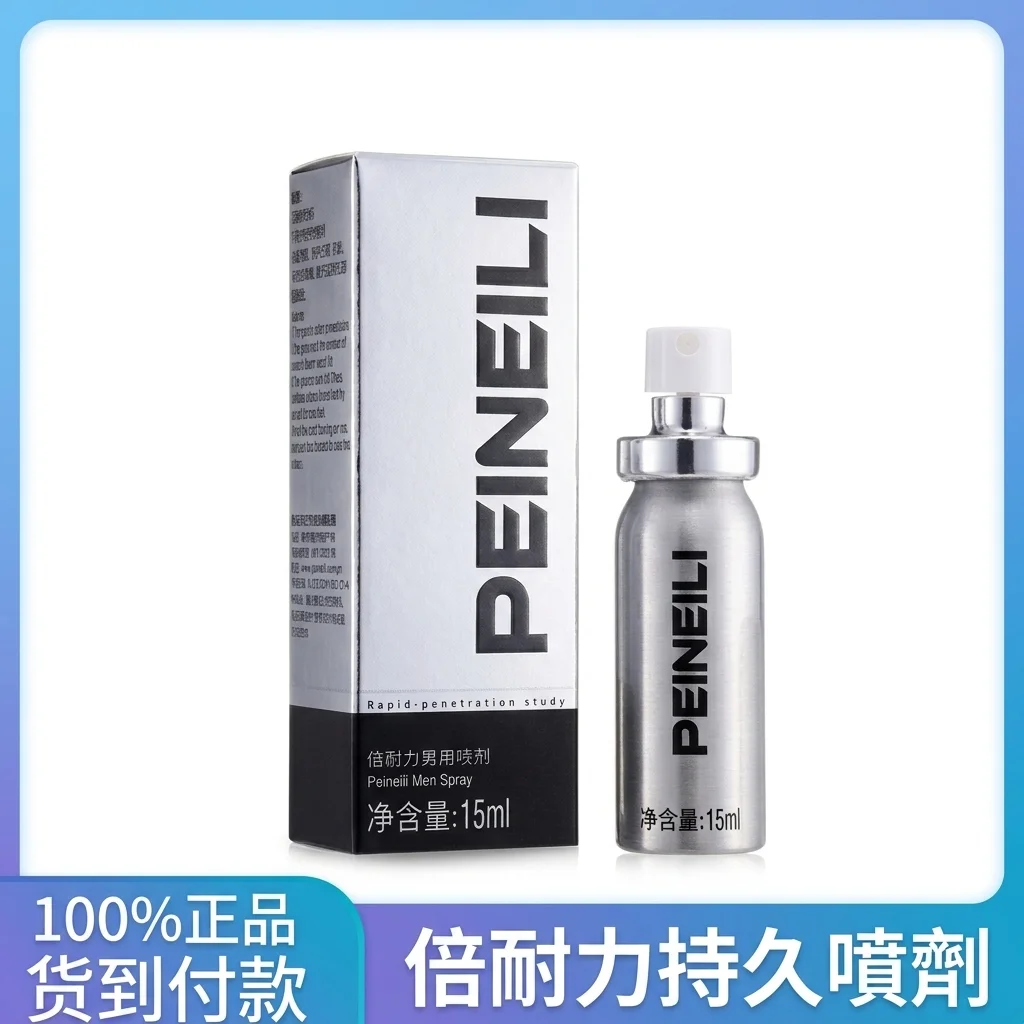
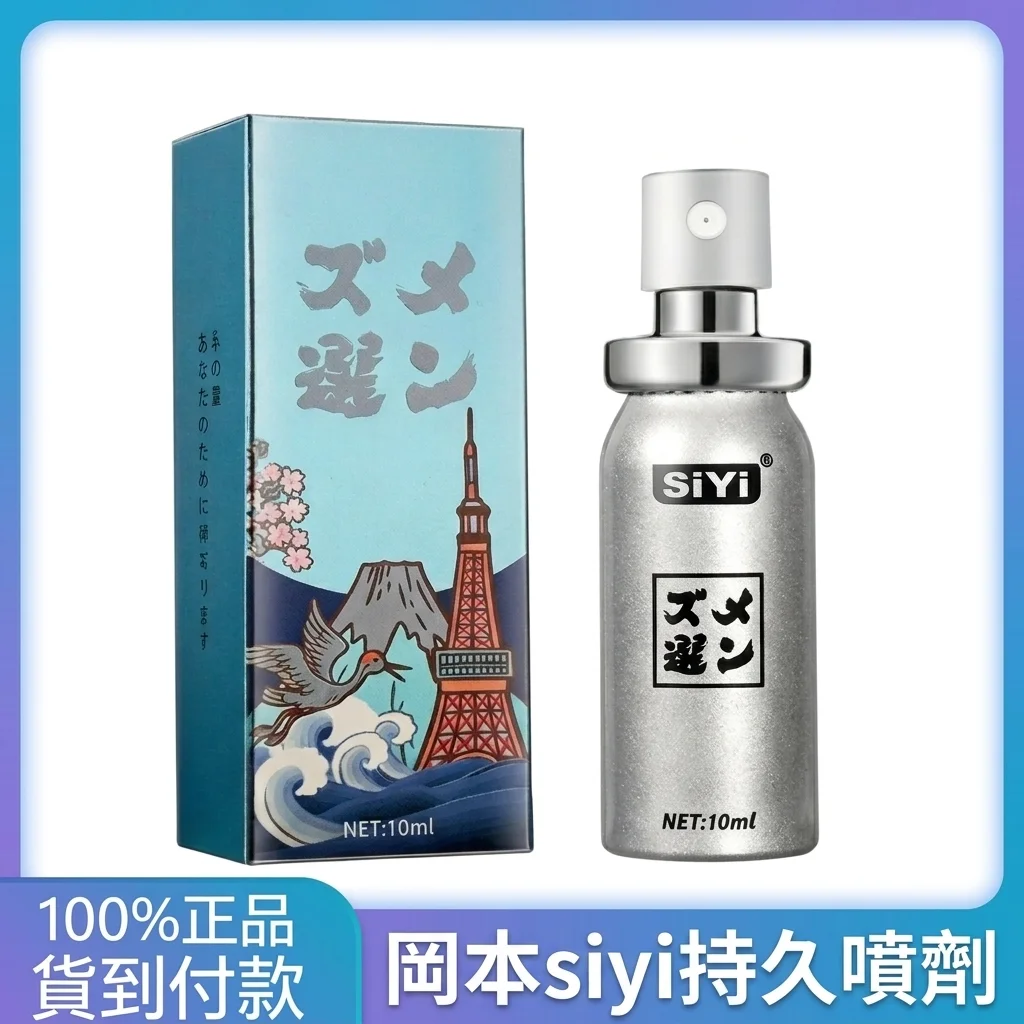
* Delay Products: For example, Long-lasting Delay Wipes, Green Knight Pirelli Men's External Use Portable 3-Pack work by providing local anesthesia or reducing nerve sensitivity to prolong duration. They usually contain trace amounts of anesthetic ingredients like lidocaine or benzocaine.
Can they be used together? The answer is yes. Many men find that after using a delay product, their sensitivity decreases, which can also reduce lubrication. Using a water-based lubricant alongside it can effectively improve comfort. However, ensure that the ingredients of the delay product and lubricant don't interfere with each other or cause adverse reactions. Generally, water-based lubricants are compatible with most delay products on the market. If you want to learn more about the real experience with delay wipes, you can refer to this article: Real Feelings After Testing Pirelli Delay Wipes - mozyxzi90, which has more detailed sharing.
Safety Reminder: Delay products contain medicinal ingredients. Be sure to strictly follow the dosage and timing on the instructions. Overuse can lead to excessive numbness, affecting the experience and even causing discomfort for your partner.
Common Question 5: How do I clean up after using lubricant? Will it leave a residue?
Cleaning is another aspect beginners often overlook, but it's crucial for intimate hygiene and health.
* Water-based Lubricant: This is the easiest. Since its main ingredient is water, it can be easily rinsed off with plain water, leaving almost no residue. It feels clean and non-sticky after washing.
* Silicone-based Lubricant: Silicone-based lubricant is insoluble in water, so it's difficult to clean thoroughly with just water. You'll need to wash repeatedly with body wash or soap to remove the slippery residue.
* Oil-based Lubricant: The hardest to clean. It leaves a greasy feeling and can even clog pores, increasing the risk of infection. This is another reason I advised against using it earlier.
Avoiding Pitfalls: If lubricant isn't cleaned thoroughly, the residue can become a breeding ground for bacteria, increasing the risk of intimate area infections, such as urinary tract infections or gynecological inflammations. Therefore, choosing an easy-to-clean water-based lubricant and promptly rinsing thoroughly with clean water afterward is a very important hygiene habit.
Tiered Recommendations for Lubricant Selection: Based on Budget and Needs
As someone who's been through it, I understand everyone has different needs. Here are tiered recommendations based on budget and needs to help you avoid unnecessary detours.
1. Entry-Level/Trial (Budget approx. 30-60 RMB):
* Needs: First-time trying, want to experience the lubricating effect, require basic safe ingredients, price-sensitive.
* Recommendation: Choose a basic water-based lubricant, preferably fragrance-free and colorless. Many products in brand gift series, like the Body Lubricant, Moisturizing and Smooth, Water-Based, Non-Irritating, for Couples' Intimate Use we mentioned, are great entry-level choices. They typically emphasize being water-based and non-irritating, with a moderate capacity, perfect for beginners to try.
* Avoiding Pitfalls: In this price range, be especially wary of ultra-cheap products with rough packaging and unknown ingredients. It's better to spend a few extra bucks on a small package from a legitimate brand than to be cheap and buy a no-name product.
2. Intermediate Experience Level (Budget approx. 60-120 RMB):
* Needs: Higher requirements for lubrication effect, seeking longer-lasting moisture, wanting gentler, more skin-friendly ingredients, focusing on user experience.
* Recommendation: In this price range, you can choose water-based lubricants with added natural moisturizing ingredients like sodium hyaluronate (hyaluronic acid) or aloe vera extract. They usually have a finer texture, provide longer-lasting lubrication, and feel more comfortable. Some brands also offer formulas with a pH closer to that of the intimate area.
* Avoiding Pitfalls: While pursuing functionality, be wary of products claiming "special effects" with unclear ingredients. Any lubricant claiming to "treat" or "alter physiological states" should be treated with caution.
3. High-End Customized Level (Budget over 120 RMB):
* Needs: Have specific sensitive skin needs, seek ultimate skin-friendliness and safety, or have specific scenario requirements (e.g., edible, special temperature sensations).
* Recommendation: For sensitive skin, choose medical-grade products or those that have passed dermatological tests. They usually have extremely simple ingredients and are free from known allergens. Some high-end brands also offer products specifically designed for massage or sex toys, providing a richer experience.
* Avoiding Pitfalls: A high price doesn't guarantee absolute safety. You still need to read the ingredient list carefully to ensure you're not allergic to anything. For "edible" lubricants, also check if they are truly harmless, as safety is paramount for anything that goes into your mouth.
Final Reminder from an Experienced User: Safety is Always the Top Priority!
1. Allergy Test: No matter what lubricant you buy, test it on a small area of skin before first use to ensure no allergic reaction.
2. Read Ingredients Carefully: Emphasizing again, learn to read the ingredient list and avoid the irritating ingredients mentioned earlier.
3. Pay Attention to Expiration Date: After opening a lubricant, it's best to use it within 6-12 months. Prolonged storage can lead to bacterial growth or ingredient degradation.
4. Store Properly: Keep it in a cool, dry place away from direct sunlight, and out of reach of children.
5. Stop Immediately if Discomfort Occurs: Your body is your own. Don't ignore any discomfort. If you experience symptoms like redness, itching, or stinging, stop using it immediately and rinse thoroughly with clean water. Consult a doctor if necessary.
I hope these insights help you avoid pitfalls when choosing a body lubricant, find the product that truly suits you, and make your intimate life more moisturizing and reassuring.
常见问题
Q1.Is lubricant really necessary? Will long-term use have side effects?
Lubricant is not a necessity, but it can significantly enhance the comfort and safety of intimate activities by reducing friction-related discomfort or injury. It does not create a physiological dependency or alter your body's natural lubrication ability. As long as you choose a product with safe, water-soluble, and non-irritating ingredients, and clean up properly after use, long-term use will not cause side effects and can instead make the experience more enjoyable. Beginners are advised to start with a water-based lubricant from a trial series.
Q2.What is the difference between water-based and silicone-based lubricants, and which is better?
Water-based lubricant is water-based, easy to clean, does not corrode latex condoms or silicone toys, and is the top choice for beginners. Silicone-based lubricant is silicone oil-based, long-lasting and smooth but difficult to clean, and can corrode silicone toys. For most users, especially when using condoms, water-based lubricant is a safer, more convenient, and more compatible option. Oil-based lubricant should be completely avoided as it can damage latex condoms.
Q3.How can you tell if a lubricant is 'non-irritating'? What ingredients should be avoided?
To determine if a lubricant is non-irritating, first check the ingredient list. Choose products without fragrances, dyes, alcohol, or parabens. High concentrations of glycerin can also cause irritation. Conduct a small skin patch test before purchase. A gentle lubricant should primarily consist of purified water, a small amount of glycerin, sodium hyaluronate, etc., with a pH close to that of intimate areas. Be cautious of products claiming 'warming' or 'cooling' effects, as they may contain irritating ingredients.
Q4.Can lubricant and delay products be used together? Will it affect their effectiveness?
Lubricant and delay products have different functions but can be used together. Lubricant reduces friction, while delay products reduce sensitivity. Many men may experience reduced lubrication after using delay products, and pairing them with a water-based lubricant can enhance comfort. Generally, water-based lubricants are compatible with delay products and do not affect their effectiveness. However, always strictly follow the instructions for the delay product to avoid overuse.
Q5.Does lubricant require special cleaning after use? Will there be problems if not cleaned?
Water-based lubricant can be easily washed off with plain water, leaving almost no residue. Silicone-based lubricant requires soap or body wash to clean, otherwise it will leave a slippery feeling. Oil-based lubricant is the hardest to clean and can easily clog pores. Regardless of the type, it is recommended to clean thoroughly after use to prevent residue from breeding bacteria, which could cause discomfort or infection in intimate areas. Maintaining good hygiene is crucial for intimate health.
Q6.Can cheap lubricant be bought? Is price really proportional to quality?
Be cautious of overly cheap lubricants, as legitimate products have research, development, and production costs. Extremely low prices often indicate the use of inferior ingredients or irritants, which can harm health. Generally, lubricants priced between 50-150 yuan offer better quality and safety assurance. Price and quality are somewhat proportional; more expensive options may include additional skin-friendly ingredients like hyaluronic acid for a better experience. It is recommended to choose branded, registered products from reputable sources.